Updated November 14, 2026
New year goals usually fail by February for the same reasons: they’re vague (“get fit”, “grow my career”), there’s no way to measure progress, and nobody checks in on them. Companies solved this problem decades ago with OKRs. You can borrow the same method for your own life and career.
This guide explains personal OKRs: what they are, how to write good ones, examples for career, money and health, and a simple quarterly rhythm to keep them alive.

Key takeaways
- Personal OKRs pair an inspiring objective with two to four measurable key results.
- Set one to three objectives per quarter.
- Make key results outcomes, not activities.
- Score progress weekly and review each quarter.
What are OKRs?
OKR stands for Objectives and Key Results. The method was developed by Andy Grove at Intel and spread widely after John Doerr introduced it at Google and later wrote Measure What Matters.
- An objective is a short, inspiring statement of what you want to achieve.
- Key results are two to four measurable outcomes that show you got there.
The objective gives direction. The key results keep you honest.
How to write personal OKRs
- Pick one to three objectives for the next quarter. More than three dilutes your effort.
- For each, write two to four key results with numbers and a deadline.
- Make key results outcomes, not activities. “Get 3 interview calls” is better than “apply to jobs”.
- Aim a little high. Hitting about 70% of an ambitious key result is often a good result.
- List the first actions you’ll take this week for each key result.
Personal OKR examples
| Objective | Key results |
|---|---|
| Move into a product manager role | Complete 2 PM portfolio case studies; have 10 conversations with PMs; land 3 PM interviews by 31 March |
| Build a side income from templates | Launch 3 products on Gumroad; publish 60 Pinterest pins; reach ₹20,000 in sales |
| Get fitter | Walk 8,000 steps on 80% of days; do 2 strength sessions a week; sleep 7 hours on 5 nights a week |
| Take control of money | Build a 3-month emergency fund; cut subscriptions by ₹2,000 a month; automate a monthly SIP |
A quarterly rhythm
- Start of quarter: set one to three objectives and their key results.
- Weekly: score progress during your weekly review and choose next actions.
- Monthly: ask whether any key result needs adjusting.
- End of quarter: score each key result from 0 to 1, write what you learned, and set the next quarter.
Connect OKRs to your calendar
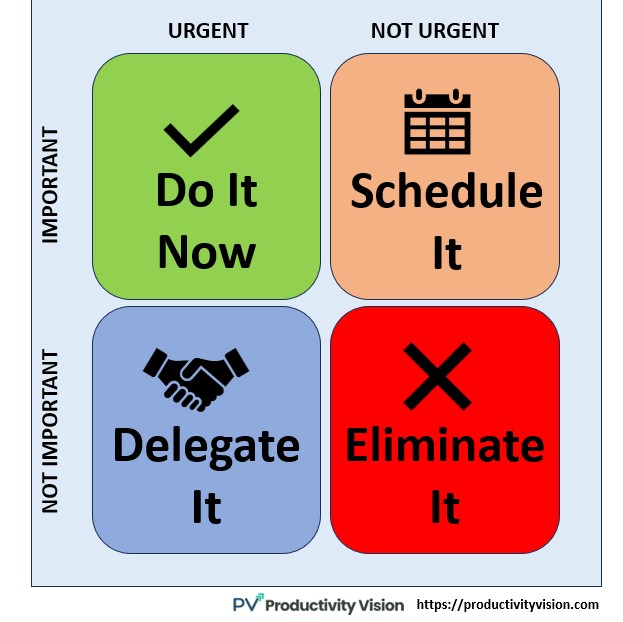
Goals without time on the calendar stay wishes. Block time each week for your key results using time blocking, and protect it like a meeting. Use the Eisenhower matrix to keep OKR work from being crowded out by urgent tasks.
Common mistakes with personal OKRs
Too many objectives, key results that are just to-do lists, never checking in, and treating a 70% score as failure. OKRs are a tool for focus and learning, not a test.
If one of your objectives is building freelance or side income, our freelancing and creator platforms guide helps you choose a starting point. For how OKRs fit with daily systems, read our guide to productivity systems.

Quick FAQ
Can I use OKRs for personal goals?
Yes. Personal OKRs work well for career, side projects, health and money goals.
How many OKRs should I have?
One to three objectives per quarter, each with two to four key results.
What is a good OKR score?
For ambitious key results, around 0.7 is often considered a strong result. Consistently scoring 1.0 can mean your goals were too easy.